
Will changes bring fairer system for airline passengers?
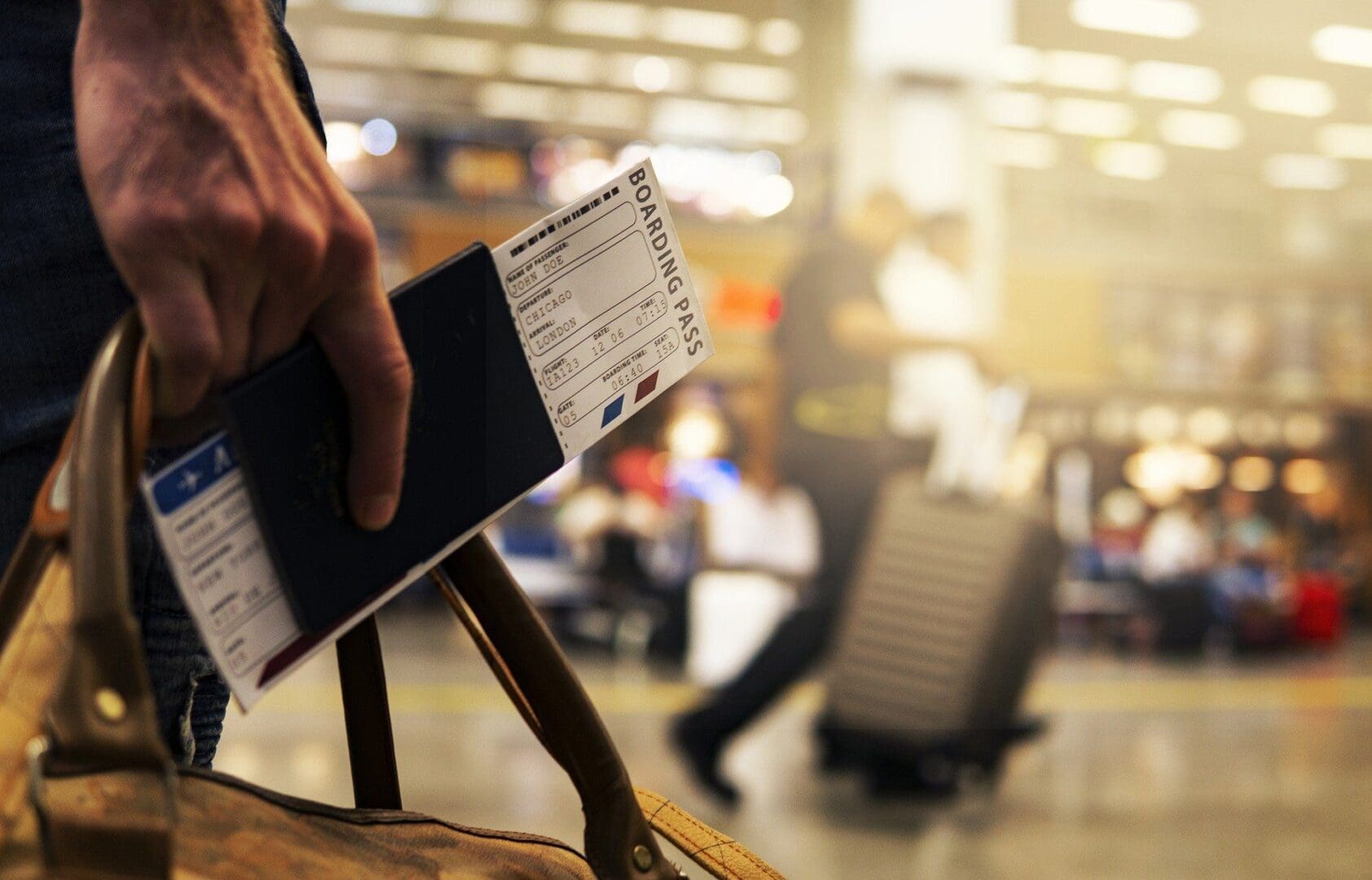
Government proposals aimed at improving passenger treatment and airline consumer rights have renewed discussions around complaint handling, consumer protection and access to fair dispute resolution within the aviation sector. The changes form part of wider efforts to improve accountability and standards across airline services and passenger support systems.
The Government is proposing reforms to the current EU Denied Boarding Regulations (EC261) through its Aviation Consumer Policy Reform consultation. These regulations, in place since February 2005, give passengers important rights when flights are delayed, cancelled or boarding is denied. Travellers may be entitled to fixed compensation payments depending on the length of the flight and the extent of the disruption.

The Government proposes to change this to allow claims for compensation based on the length of the flight delay and linked to the cost of travel. Currently this varies from 2 hours late for trips up to 1500km up to 4 or more hours late trips over 3,500km. Rates range from 125 Euros up to 600 Euros.
I believe the current system buys into the ‘compensation culture’. Genuine redress and goodwill gestures should be proportional to the amount spent but the current regulations do not take this into account and therefore low cost airlines are hardest hit. A fairer system for both business and consumers has to be a good thing. Although it may save airlines money the devil will be in the detail of any changes. Increases would risk increases in fares. It looks set to be percentages in line with rail and ferries. But the savings the airline make need to be spent on improvements for consumers not line the pockets of the airline shareholders.
ADR in the airline sector
The Government is also considering making Alternative Dispute Resolution (ADR) mandatory for airlines. Currently there are two voluntary schemes in the airline sector. Consumers can take a complaint to an ADR provider and the company is bound by the decision, although the consumer isn’t.
Consumer bodies such as Which? have been calling for ADR in the airline sector to be mandatory for some years. In the CAA consultation on ADR in October 2020 Which? said
“… the CAA must ensure it makes the existing ADR schemes work better for passengers. The regulator should step up scrutiny of existing ADR bodies, and ensure greater transparency for the complaints handling process. It must also improve its requirements for data reporting and encourage airlines to act on their complaints data.”
Both Which? and I have previously recommended that the ADR provider be an ombudsman as this is appointed and monitored to a higher standard than other ADR provider schemes. (See Further information about ADR below.)
Airline Travel Assistance
There are also proposals to improve the travel experience for disabled travellers including by ensuring that travel assistance is always free and removing charges for wheelchairs and mobility equipment. I welcomed the proposed changes, saying that in general the proposals will bring greater equality to all travellers.
Further information about ADR
Further articles, investigations and commentary on ADR and ombudsman issues can be found in the main ADR and Ombudsman investigations timeline.
CAA launches consultation and tells no-one… consultation into ADR. CAA hadn’t informed stakeholders.
Help with holiday/airline complaints

How best to book and complain about holidays/flights/travel
Purchase and download Holiday, flight and event complaint templates
Top 20 Tips How to complain effectively
 If you need more help, information and tips with how to quote Acts, template letters and advice on how to complain effectively don’t forget the GET THE BOOK! How To Complain: The ESSENTIAL Consumer Guide to Getting REFUNDS, Redress and RESULTS!

101 Habits of an Effective Complainer provides you with more tips

Purchase and download templates to gain redress swiftly